The thyroid gland plays a crucial role in regulating metabolism and the function of various organs in the body. When thyroid function is disrupted, patients may experience symptoms such as fatigue, abnormal weight loss or weight gain, palpitations, and insomnia. A thyroid function testing is an essential procedure that should be performed routinely to screen for thyroid-related conditions. Let’s explore the details of this test with Medic Sai Gon!
What is a thyroid function test?
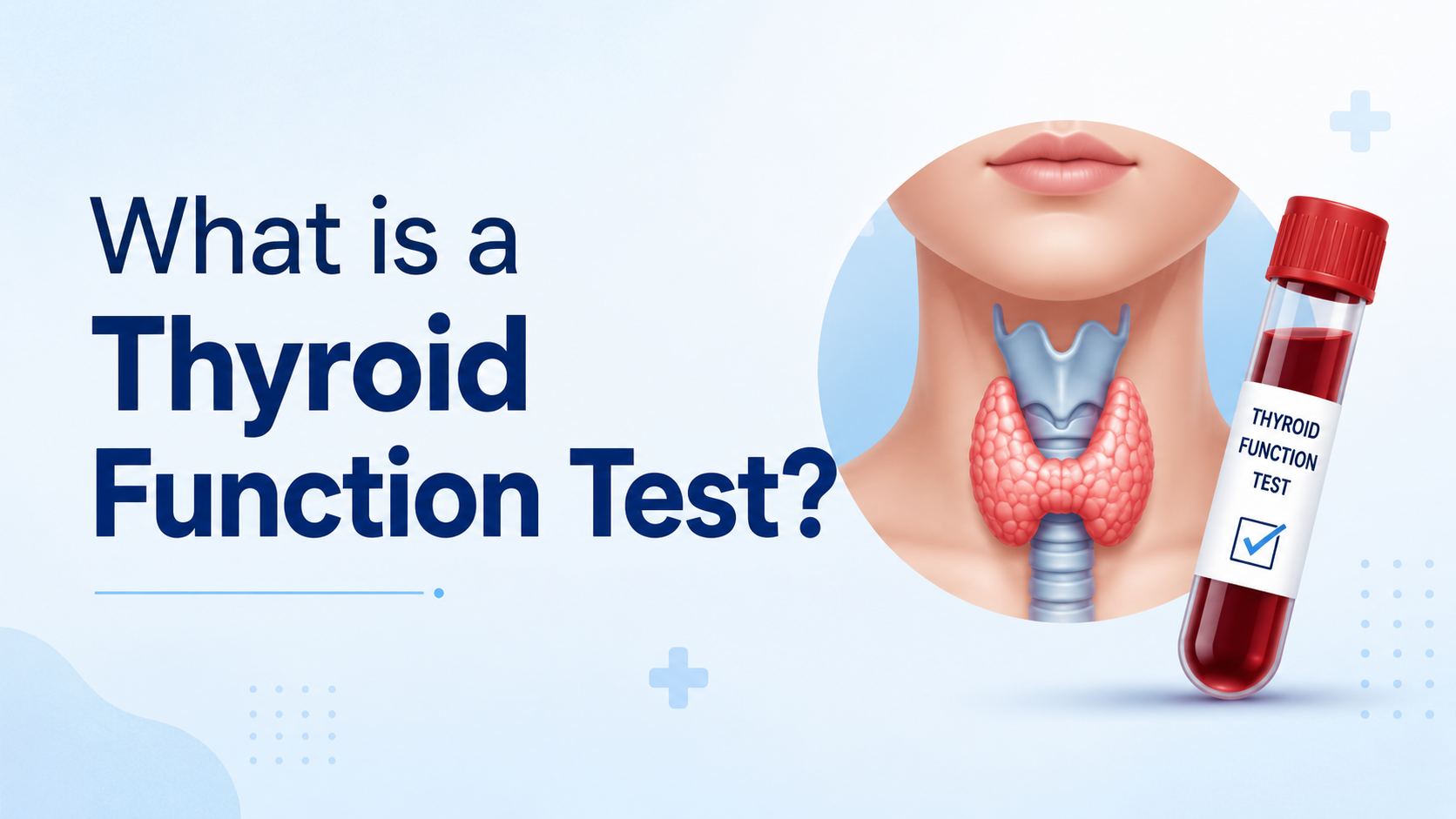
A thyroid function test is a panel of blood tests used to evaluate the activity of the thyroid gland and the hormones it produces. This helps in the early diagnosis of conditions such as hyperthyroidism (overactive thyroid), hypothyroidism (underactive thyroid), or autoimmune thyroid diseases.
Thyroid-Stimulating Hormone (TSH)
TSH is a pituitary hormone that sends signals to the thyroid gland. If the pituitary gland detects low levels of thyroid hormones in the bloodstream, it produces more TSH to stimulate the thyroid gland into producing more hormones. Conversely, if the pituitary gland detects too much thyroid hormone in the blood, it will decrease its TSH production to reduce the thyroid’s hormone output.
Thyroxine (T4)
The total T4 thyroid function test measures the entire amount of thyroxine in the blood to evaluate thyroid function. The FT4 (Free T4) test measures the level of T4 hormone that is not bound to proteins in the blood, which is considered the biologically active form of thyroxine. If a new thyroid issue is suspected, a T4 test is typically performed alongside a TSH test.
Triiodothyronine (T3)
The T3 (Triiodothyronine) hormone is a thyroid hormone primarily produced through the conversion of T4 in peripheral tissues. While the FT3 (Free T3) test is not typically used for initial screening, it plays a crucial role in diagnosing and classifying hyperthyroidism, particularly in cases of T3 thyrotoxicosis (where only T3 levels are elevated).
Thyroid Peroxidase Antibodies (TPOAb / Anti-TPO)
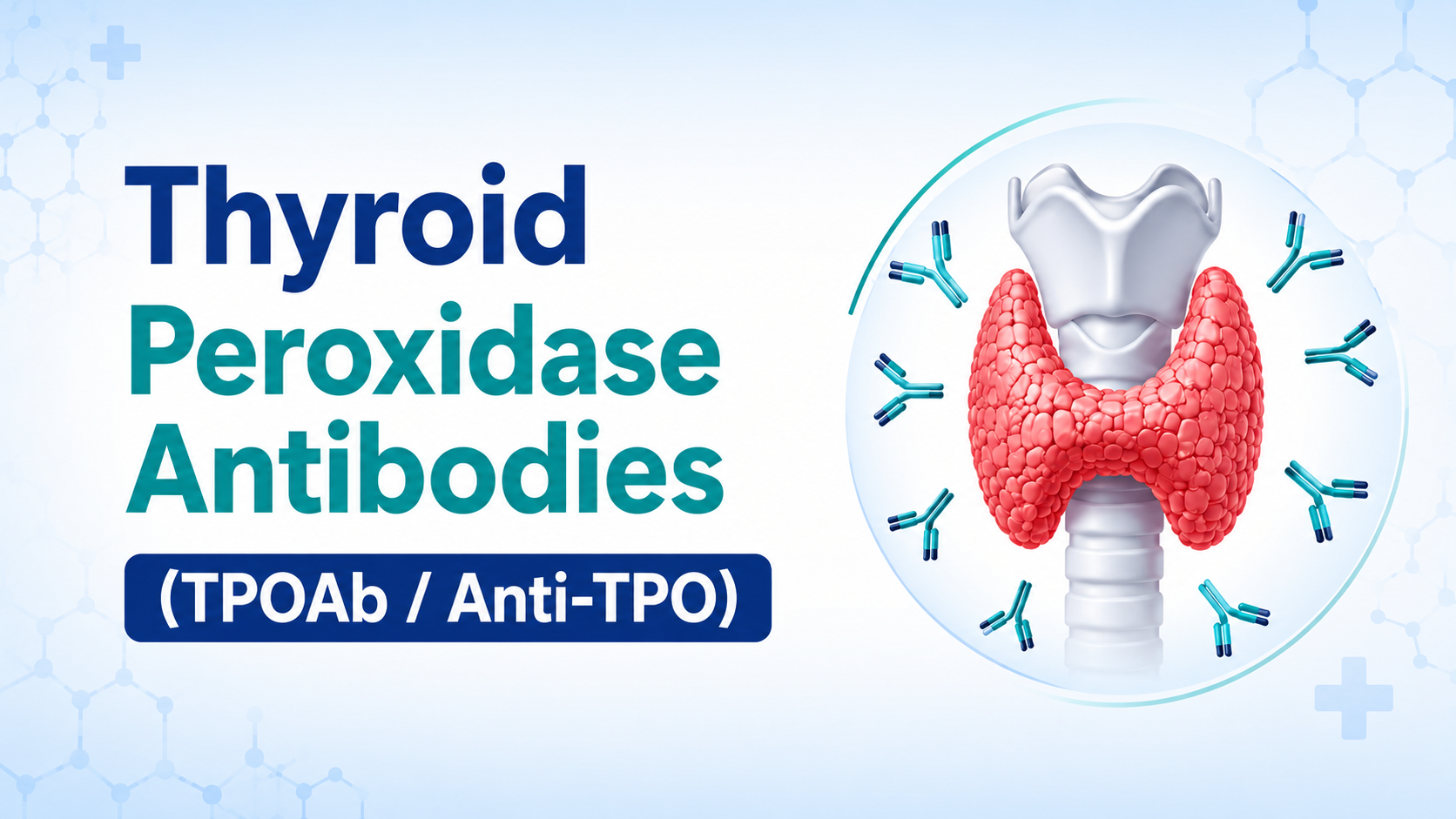
TPOAb (Anti-TPO) is a type of antibody produced by the body that mistakenly attacks and destroys healthy thyroid tissue. The presence of these antibodies indicates that the patient has an autoimmune thyroid disorder, such as Hashimoto’s thyroiditis or Graves’ disease.
Thyroglobulin Antibodies (TgAb / Anti-Tg)
TgAb (Anti-Tg) is an antibody produced by the body in response to the presence of thyroglobulin. An excessive production of thyroglobulin is abnormal. Therefore, the production of TgAb is considered the body’s defense mechanism against the progression of underlying thyroid diseases.
See more: Blood Lipid (Cholesterol) Testing Services for Foreigners in Da Nang
Who Should Get Regular Thyroid Function Tests?
The thyroid gland plays a vital role in the metabolic process and regulating the body’s normal functions. Therefore, it is advisable to be mindful of your health and undergo a thyroid screening at least once a year. Furthermore, the following groups of individuals should undergo regular thyroid function testing or follow the specific recommendations of their healthcare provider:
- Patients experiencing symptoms related to thyroid disorders, such as fatigue, weakness, feeling unusually cold or hot (temperature sensitivity), depression, or loss of appetite.
- Pregnant or breastfeeding women: Thyroid hormones are crucial for fetal development and can also significantly impact breast milk production.
- Perimenopausal and postmenopausal women.
- Individuals with a personal or family history of thyroid disease: If a family member has had a thyroid condition, or if the patient themselves has a history of it, regular testing aids in the early detection and effective management of thyroid-related issues.
- People experiencing unexplained stress, anxiety, difficulty concentrating, or depressive episodes.
- Those with sudden weight changes (unexplained weight loss or gain) without any alterations in their diet or physical activity levels.
- Women experiencing changes in their menstrual cycle or irregular periods.
- Individuals experiencing changes in heart rate or rhythm (such as palpitations).
- People suffering from dry eyes, dry mouth, or unexplained hair loss.
- Individuals living in underdeveloped areas, regions with nutritional deficiencies (such as iodine deficiency), or heavily polluted environments.
- People with a medical history of cardiovascular disease, diabetes, cancer, or other health conditions that may be associated with thyroid dysfunction.
What Are Normal Thyroid Test Results?
It is quite common for patients to feel anxious about their results after undergoing a thyroid function test. So, what values indicate that your thyroid is functioning normally? First of all, you need to look at three basic indicators: TSH, FT3, and FT4:
- TSH (Thyroid-Stimulating Hormone): 0.4 – 4.0 mIU/L
- FT4 (Free Thyroxine): 0.8 – 1.8 ng/dL (or 10 – 23 pmol/L)
- FT3 (Free Triiodothyronine): 2.3 – 4.2 pg/mL (or 3.5 – 6.5 pmol/L)
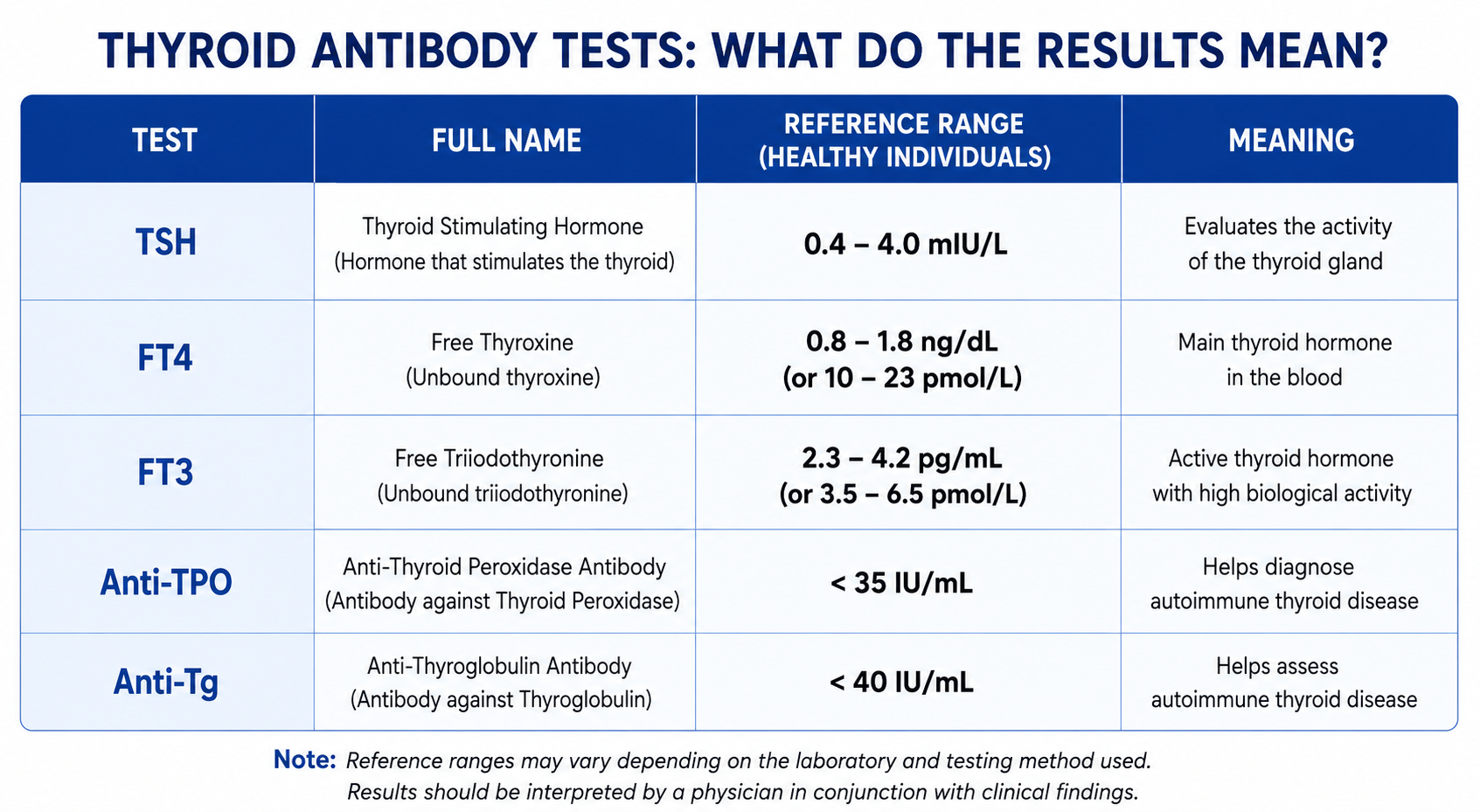
If your test results fall within the reference ranges mentioned above, your thyroid gland is functioning well.
Hypothyroidism (Underactive Thyroid): In cases where TSH is elevated while FT4 is low, it may indicate hypothyroidism.
Hyperthyroidism (Overactive Thyroid): Conversely, a low TSH combined with elevated FT4 and FT3 may suggest hyperthyroidism.
If your indicators show abnormal values (either higher or lower than the reference ranges), your doctor will evaluate the results. Depending on the findings, the doctor may order two additional antibody tests: Thyroid Peroxidase Antibodies (Anti-TPO) and Thyroglobulin Antibodies (Anti-Tg). These are specifically requested when there is a suspicion of autoimmune thyroid diseases, such as Hashimoto’s thyroiditis (a common cause of hypothyroidism) or Graves’ disease / Basedow’s disease (a common cause of hyperthyroidism).
Furthermore, Anti-TPO and Anti-Tg tests are considered if the patient presents with a goiter (enlarged thyroid), unexplained thyroid dysfunction, a family history of autoimmune thyroid disease, or when assessing the risk of disease progression. A positive result indicates that the immune system is actively producing antibodies that attack the thyroid, which effectively aids doctors in diagnosing and monitoring the condition.
For a routine thyroid function check, testing TSH, FT3, and FT4 is sufficient in most cases. Anti-TPO and Anti-Tg are more in-depth, specialized tests that are only performed when specifically prescribed by a healthcare provider.
You may need: DNA Testing Services for Expats and International Clients in Vietnam
Where to Get a Thyroid Function Test in Da Nang?
Currently, most clinics and hospitals across Da Nang city offer this type of testing. However, if you are looking for a reputable, fast, and cost-effective testing facility, Medic Sai Gon Clinic in Da Nang is an excellent choice for you.

With over 15 years of experience in the field of medical laboratory services, the clinic is equipped with modern machinery and a team of highly experienced technicians. Medic Sai Gon is a trusted testing facility for clients in the Da Nang area, as well as foreigners living, traveling, and working in Da Nang.
The clinic provides a comprehensive thyroid function test panel to effectively screen for thyroid-related diseases, alongside a full range of other blood and urine testing services. The clinic is committed to ensuring maximum satisfaction for all clients who choose us for their health examinations.
MEDIC SAI GON DIAGNOSTIC CLINIC
- Address: 97 Hai Phong Street, Hai Chau District, Da Nang.
- Hotline/ Zalo/ WhatsApp: 0914 496 516