Zinc (Zn) is an essential mineral that plays a vital role in a child’s physical growth, immune system function, and various metabolic processes. Both zinc deficiency and excess zinc can significantly impact a child’s overall health, particularly their physical development and resistance to illness.
So, what exactly is a Zinc (Zn) test, when does a child need to be tested, and where can you get a Zinc test for your child in Da Nang? Let’s explore this with Medic Saigon in the following article.
What is zinc and its role in children’s health?
Zinc (Zn) is one of the most important essential trace elements in the human body, second only to iron. It participates in numerous metabolic processes and plays a key role in building and supporting a healthy immune system. Furthermore, zinc is vital for cell growth and development, protein and DNA synthesis, maintaining the senses of taste and smell, promoting wound healing, and metabolizing nutrients. For children in particular, zinc is indispensable for healthy physical growth and overall well-being.
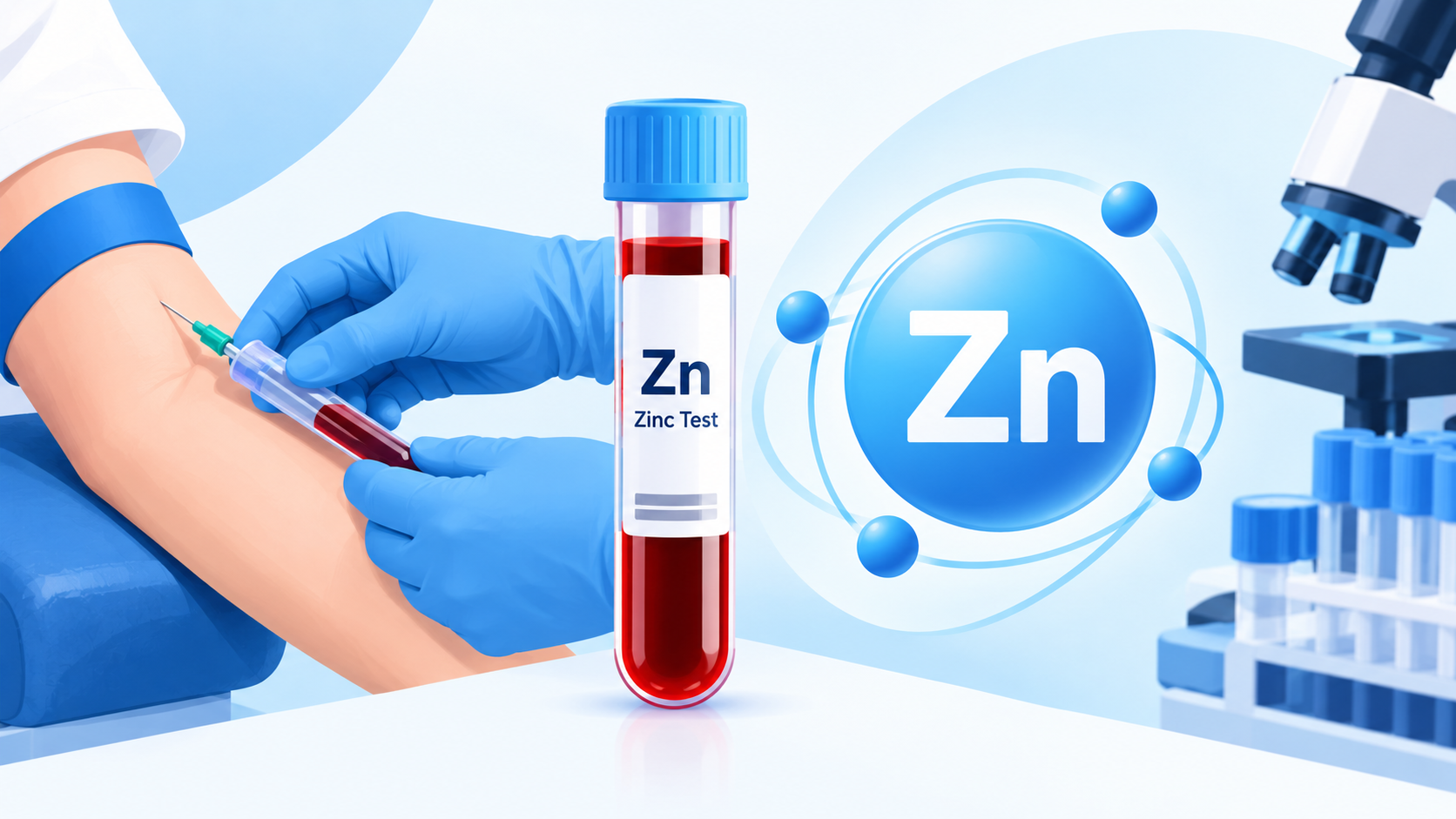
A zinc test is a blood test designed to measure serum zinc levels in the body, evaluating whether a child has a deficiency or an excess of zinc. Because zinc plays such a critical role in immune function, DNA synthesis, wound healing, and cellular maintenance, this test is commonly included in routine nutritional evaluations or specialized micronutrient screening panels for children.
When should a child get a zinc test?
In practice, testing is not necessary if your child is completely healthy and showing no signs of a zinc imbalance. A zinc test is typically recommended when a child exhibits symptoms of either deficiency or excess:
- Signs of zinc deficiency: Loss of appetite, delayed wound healing, symptoms of anemia (such as pale skin, headaches, or dizziness), persistent fatigue, skin issues (like acne or eczema), excessive hair loss, diarrhea, or changes in mood and cognitive function. (Note: In pregnant women, zinc deficiency can also lead to prolonged or complicated labor).
- Signs of excess zinc (toxicity): Nausea, loss of appetite, abdominal pain, headaches, and diarrhea. Furthermore, persistently high zinc levels can increase the risk of developing kidney stones.
There is no single standard serum zinc level applicable to all children, as zinc concentrations naturally fluctuate based on age, time of sample collection, overall nutritional status, and the laboratory’s specific testing methodology. Therefore, when interpreting Zinc (Zn) test results, physicians rely on age-specific reference ranges provided by the testing laboratory.
If parents wish to test their child to check for a potential deficiency, they can certainly do so. However, it is generally recommended to choose a comprehensive micronutrient panel rather than testing zinc in isolation. This provides a complete picture of your child’s nutritional profile—identifying both deficiencies and excesses—so that an optimal, targeted supplementation strategy can be developed. Additionally, routine micronutrient screening typically only needs to be performed once every 2 to 3 years, without the need for frequent repeat testing.
See more: GROWTH HORMONE (GH) TESTING IN DA NANG
Diet for children with zinc deficiency
When a child is at risk of or diagnosed with a zinc deficiency, a varied diet rich in zinc-dense foods is one of the most effective ways to replenish this micronutrient and support healthy growth.

Some notable zinc-rich foods include:
- Red meat: Beef and pork are excellent, highly bioavailable sources of zinc.
- Seafood: Oysters, crab, shrimp, and fish provide zinc along with a variety of other essential nutrients.
- Eggs and dairy: Great options to easily incorporate into a child’s daily meals.
- Legumes, nuts, and seeds: Soybeans, mung beans, pumpkin seeds, and cashews contain zinc, though plant-based sources are generally absorbed less efficiently than animal sources.
- Fortified cereals and supplements: Can be selected based on the child’s nutritional requirements. However, even if a deficiency is confirmed, parents should avoid giving high-dose zinc supplements without proper guidance from a doctor or nutritionist.
Beyond choosing zinc-rich foods, parents should build a balanced diet incorporating protein, healthy fats, carbohydrates, vegetables, and fruits. For infants and toddlers, food should be prepared in an age-appropriate format to ensure safe swallowing and optimal nutrient absorption.
How much does a zinc test cost and how long do results take?
The cost of a zinc test for children may vary depending on the medical center, testing methods, and accompanying services. At Medic Saigon Diagnostic Clinic in Da Nang, a standalone zinc test typically costs 250,000 VND and is frequently offered as part of a comprehensive micronutrient panel.
The blood sample collection takes only about 10 minutes, and test results are available within 2 hours after sample collection.
Where to get a Zinc (Zn) test for children in Da Nang?
Most clinics and hospitals across Da Nang perform zinc testing. However, if you are looking for a reliable, efficient, and cost-effective facility, Medic Saigon Diagnostic Clinic is an excellent choice.
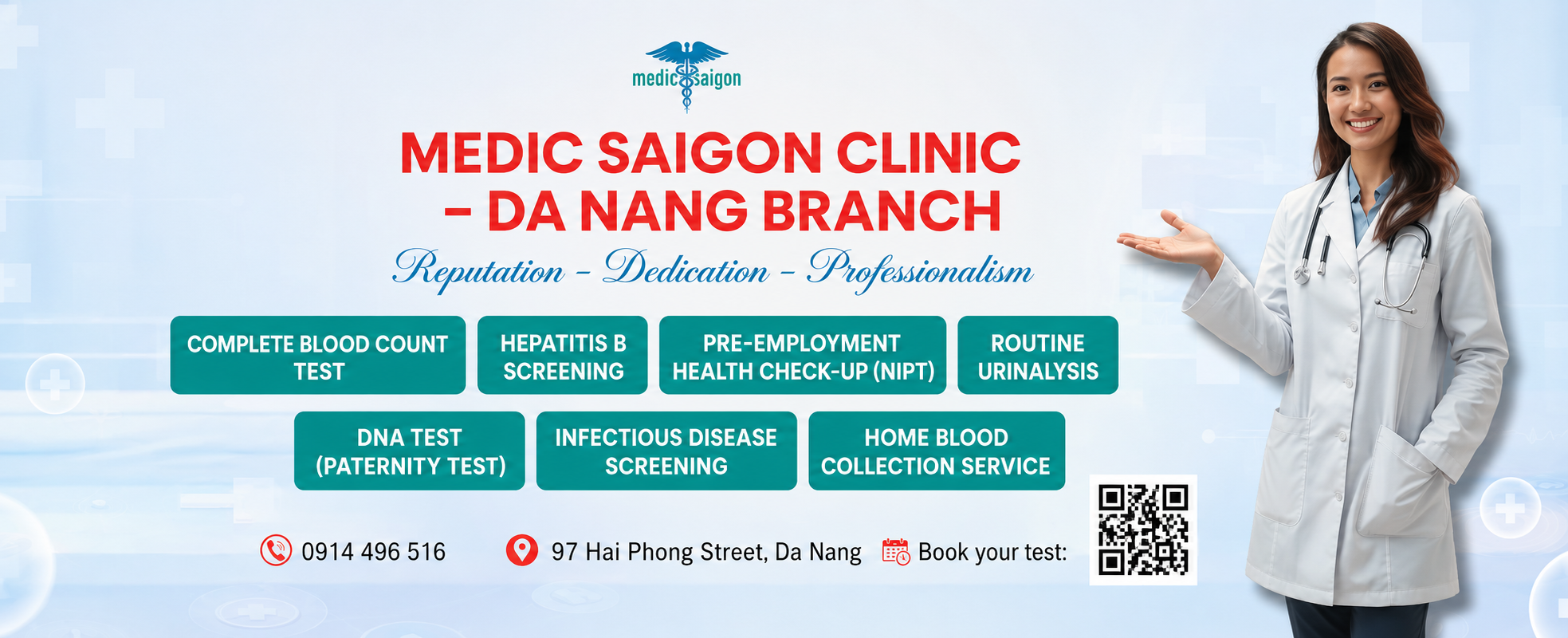
With over 15 years of experience in clinical diagnostics, the clinic features modern laboratory equipment and a team of highly experienced technicians. Medic Saigon is a trusted healthcare destination for both local residents and foreign expatriates, workers, and tourists in Da Nang.
The clinic offers pediatric and adult zinc testing as well as a full spectrum of micronutrient panels, committed to delivering accurate results and maximum patient satisfaction.
Contact Information: MEDIC SAIGON DIAGNOSTIC CLINIC
- Address: 97 Hai Phong, Hai Chau, Da Nang
- Hotline / Zalo / WhatsApp: 0914 496 516